Provide reliable and customized solutions to meet the specific needs of industries worldwide
Ferroalloy manufacturer
LOCATION:HOME > NEWS
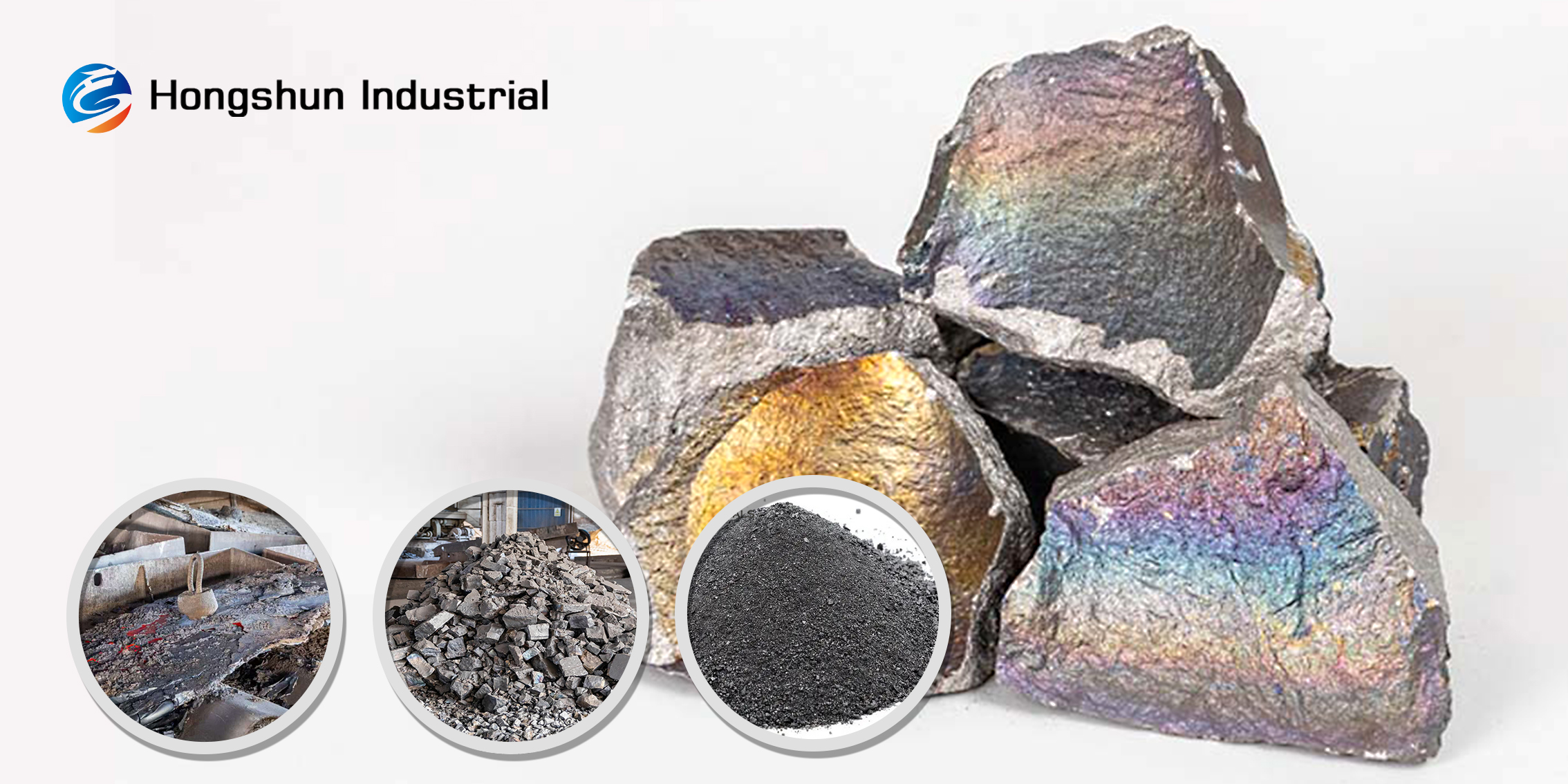
What Is a Nodulizer and Why It Is Essential for Ductile Iron Production
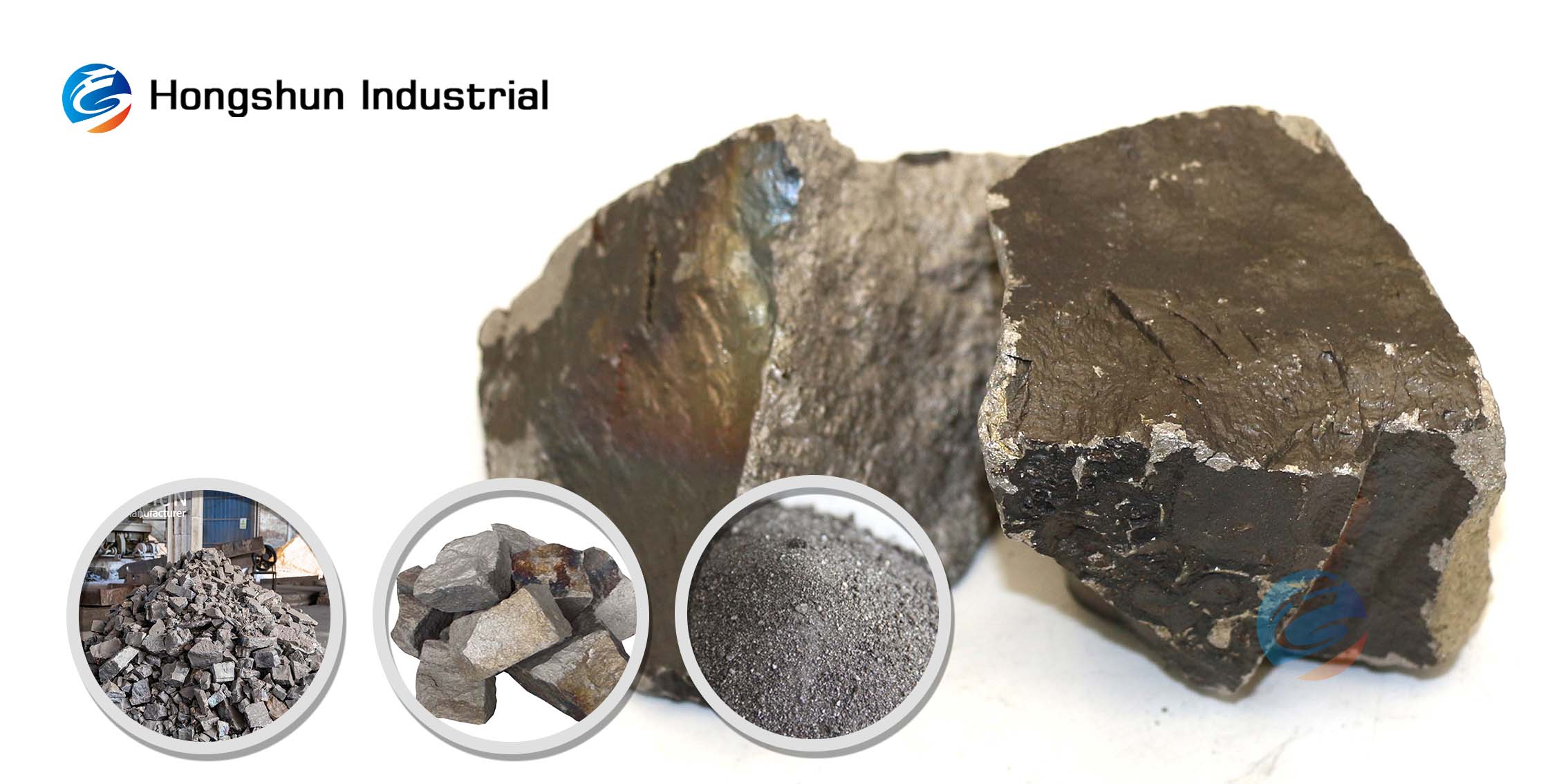
Ductile iron, also known as nodular cast iron or spheroidal graphite iron, is widely used in automotive, machinery, pipelines, and construction industries because of its excellent balance of strength, toughness, and castability.One key factor that distinguishes ductile iron from other types of cast iron is the use of a nodulizer. Without proper nodulizer treatment, true ductile iron cannot be produced. What Is a Nodulizer?A nodulizer is a magnesium-based ferroalloy added to molten iron to transform graphite from a flake form into spheroidal graphite.This change in graphite morphology is the fundamental requirement for producing ductile iron with superior mechanical properties.In gray iron, flake graphite acts as stress concentrators and weakens the metal. Nodulizer treatment eliminates this disadvantage by modifying the growth behavior of graphite during solidification.Why Nodulizers Are Essential for Ductile Iron ProductionGraphite Shape Determines Mechanical PropertiesThe performance of ductile iron is directly determined by the shape of graphite. Spheroidal graphite allows stress to distribute evenly within the iron matrix, greatly improving tensile strength, ductility, and impact resistance.Without nodulizer treatment, molten iron will solidify with flake or irregular graphite, making it impossible to achieve the mechanical performance required for ductile iron applications. How Nodulizers Work in Molten IronMagnesium is the active element responsible for spheroidizing graphite. It reacts rapidly with sulfur and oxygen in molten iron, purifying the melt and altering surface energy conditions so that graphite grows in a spherical form rather than as flakes.Because magnesium is highly reactive and volatile at high temperatures, it must be introduced in a controlled manner using suitable nodulizer grades and treatment methods.Key Technical Data for Nodulizer ApplicationThe effectiveness of a nodulizer is influenced by several key parameters. Typical industrial ranges are summarized below.ParameterTypical RangeSignificanceMg content in nodulizer3-8%Determines spheroidization strengthMg recovery rate35-50%Affects treatment efficiencySuitable particle size5-30 mmControls reaction intensityEffective holding time5-10 minutesInfluences fading behavior Common Nodulizer GradesNodulizer grades are primarily classified by magnesium content, with optional rare earth additions to improve resistance against sulfur and oxygen interference.Nodulizer GradeMg Content (%)RE Content (%)Typical ApplicationsLow Mg Nodulizer3.0-4.50-1.0Low-sulfur base iron, small castingsMedium Mg Nodulizer4.5-6.50.5-1.5Standard ductile iron productionHigh Mg Nodulizer6.5-8.01.0-2.0High-sulfur iron or demanding conditionsCommon Nodulizer Treatment MethodsDifferent foundries apply nodulizers using methods suited to their furnace size, ladle capacity, and production rhythm. Common approaches include the sandwich method, tundish cover method, and converter method.Each method requires proper control of nodulizer quantity and particle size to ensure safe reaction and stable spheroidization. A nodulizer is the foundation of ductile iron production. By controlling graphite morphology, it directly determines the mechanical performance, reliability, and consistency of ductile iron castings.With growing demands for stable quality and process efficiency, foundries are paying increasing attention to the reliability of nodulizer materials and the consistency of their chemical composition. In this context, working with experienced suppliers becomes an important part of quality control. Hongshun has long focused on the production and supply of nodulizers and related foundry alloys, providing stable compositions, controlled particle sizes, and reliable performance to support ductile iron producers in achieving consistent spheroidization and dependable casting quality.For modern foundries, selecting a proven nodulizer and a reliable partner is a practical step toward long-term production stability and performance improvement.
2025.12.26
→ More
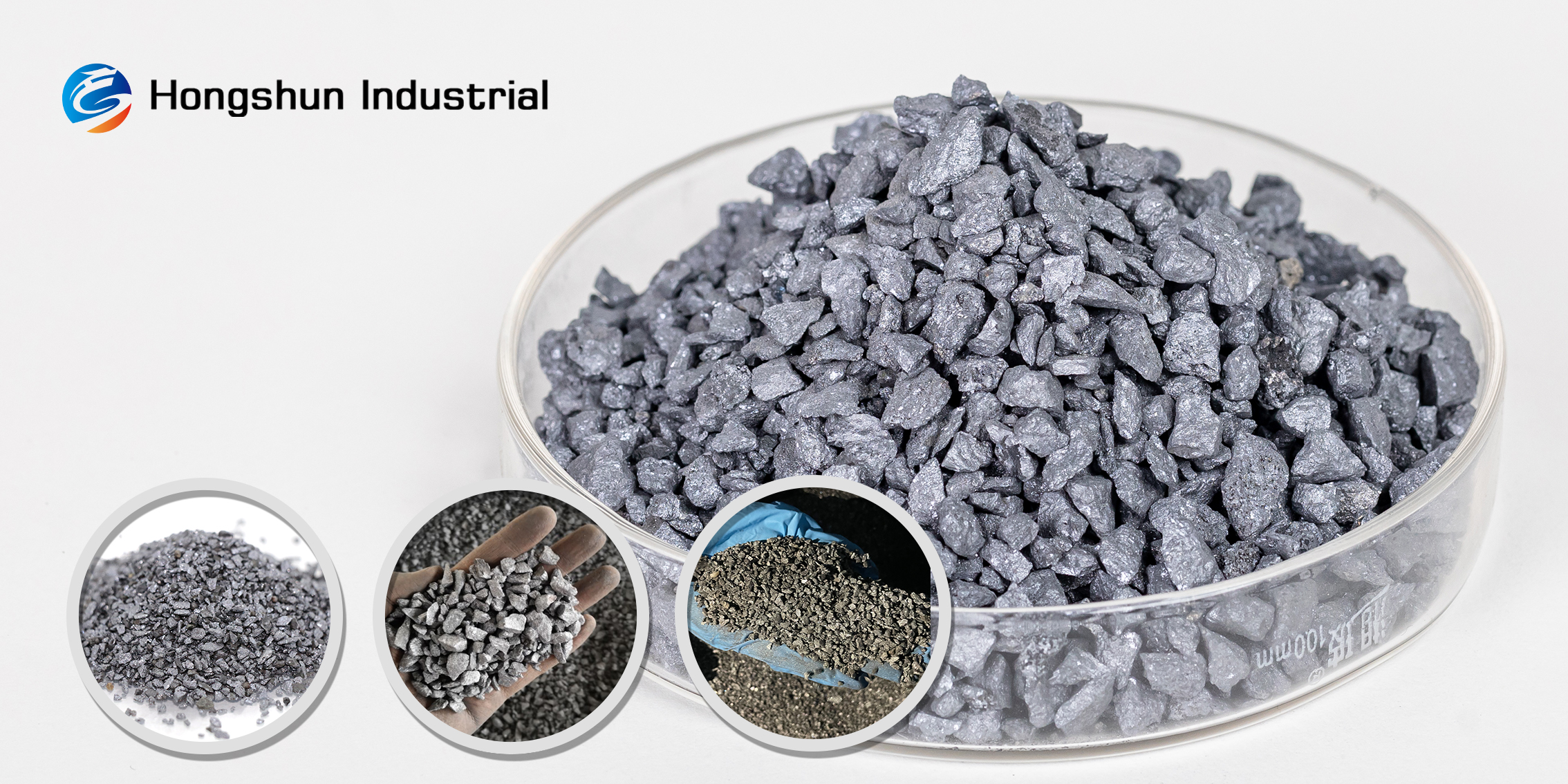
Customized Silicon Carbide: Why Particle Size and Purity Matter
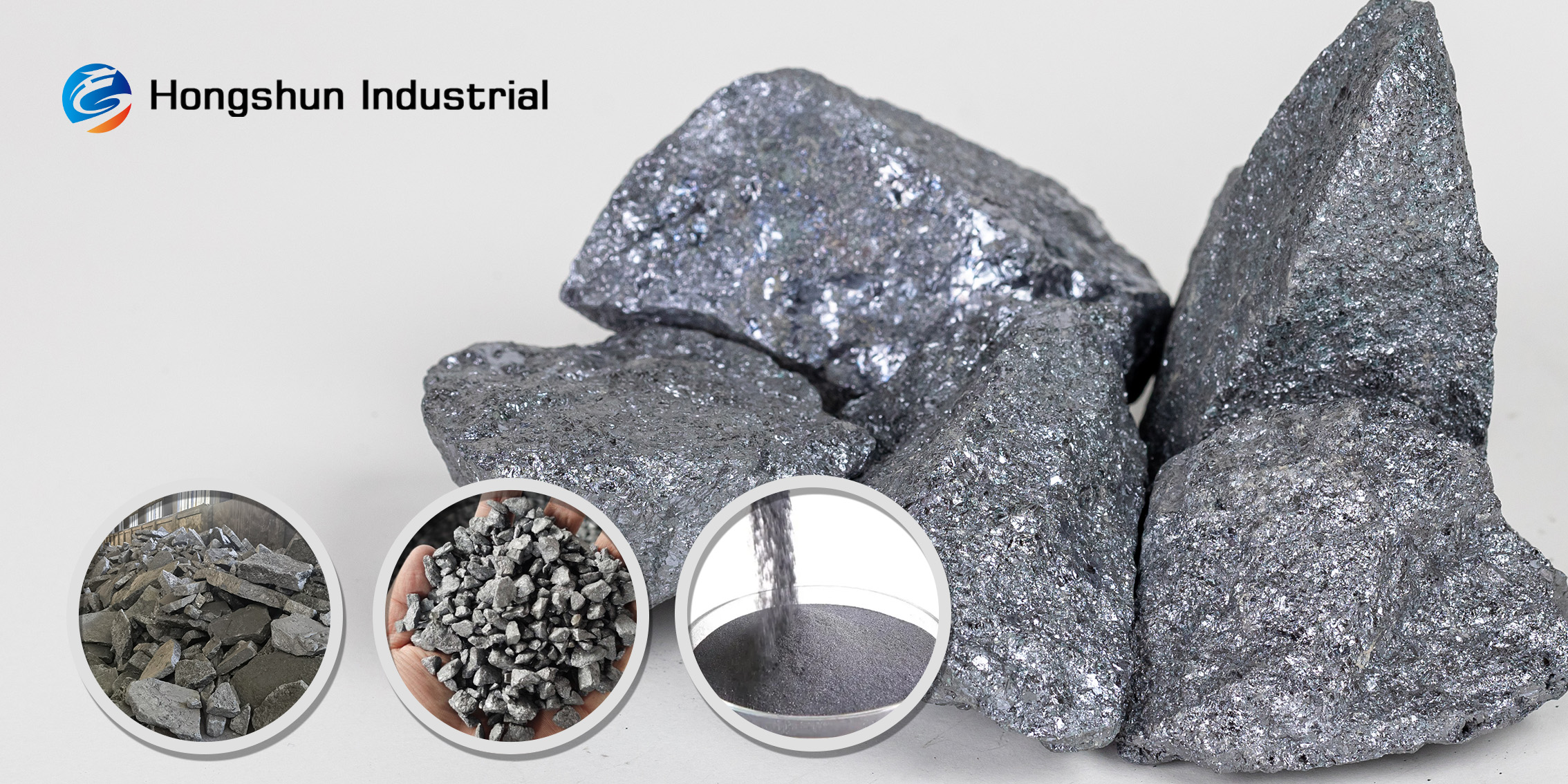
Silicon Carbide (SiC) is widely used in steelmaking and foundry industries as an efficient carbon and silicon additive. Compared with traditional alloying materials, Silicon Carbide offers excellent deoxidation capability, stable chemical performance, and strong cost advantages. However, to fully realize these benefits, customization—especially in particle size and purity—plays a critical role.The Importance of Customized Silicon CarbideDifferent furnaces, smelting processes, and end products require different alloy behaviors. A “one-size-fits-all” Silicon Carbide product often fails to deliver optimal results. Customized Silicon Carbide allows steel mills and foundries to:Achieve more stable chemical controlImprove alloy recovery ratesReduce melting time and energy consumptionMinimize operational risksAmong all customization parameters, particle size and purity are the most decisive factors.Why Particle Size Matters in Metallurgical Applications1. Reaction Speed and Dissolution EfficiencyParticle size directly affects how Silicon Carbide dissolves in molten metal.Smaller particle sizes offer faster dissolution and quicker reaction, making them suitable for precise composition adjustments.Larger particles or lumps provide a slower, more controlled release, ideal for longer melting cycles or large furnaces.Choosing the right particle size ensures that Silicon Carbide reacts efficiently without excessive loss or oxidation.2. Adaptability to Different Furnace TypesDifferent furnace systems demand different particle size ranges:Induction furnaces typically require uniform granules or small lumps for stable melting and reduced splashing.Electric arc furnaces and cupolas can accommodate larger sizes, offering better penetration into the molten bath.Customized sizing helps improve feeding efficiency and ensures consistent metallurgical results.3. Reduced Dust and Material LossImproper particle size—especially excessive fines—can lead to dust formation, material loss, and unstable reactions. Controlled and customized particle sizing reduces waste and improves overall alloy utilization.Why Purity Is Equally Critical1. Stable Chemical CompositionHigh-purity Silicon Carbide ensures consistent silicon and carbon input. Low impurity levels reduce unwanted elements entering the molten metal, helping steelmakers and foundries maintain tight chemical specifications.2. Improved Deoxidation PerformancePurity directly influences deoxidation efficiency. High-purity SiC reacts more effectively with oxygen, leading to:Cleaner molten metalFewer non-metallic inclusionsImproved mechanical properties of the final product3. Higher Alloy Recovery RatesImpurities such as excessive ash or unwanted oxides reduce effective recovery. High-purity Silicon Carbide delivers higher usable silicon and carbon content, improving yield and lowering overall alloying cost. The Combined Effect: Particle Size + PurityParticle size and purity work together to determine real-world performance. Even high-purity Silicon Carbide may underperform if particle size is poorly matched to the process. Likewise, well-sized material with low purity can lead to unstable metallurgy.Customized Silicon Carbide—optimized for both parameters—ensures:Predictable reaction behaviorHigher consistency between heatsBetter process control and cost efficiency Hongshun supplies a comprehensive range of metallurgical-grade Silicon Carbide products specifically developed for steelmaking and cast iron production. With SiC content typically available at ≥85%, 88%, and 90%, and customization options upon request, Hongshun ensures consistent chemical performance across different metallurgical processes. Strict control over impurities—including low ash content, low free carbon, and minimized unwanted elements—guarantees stable input of silicon and carbon while reducing metallurgical risks.
2025.12.19
→ More
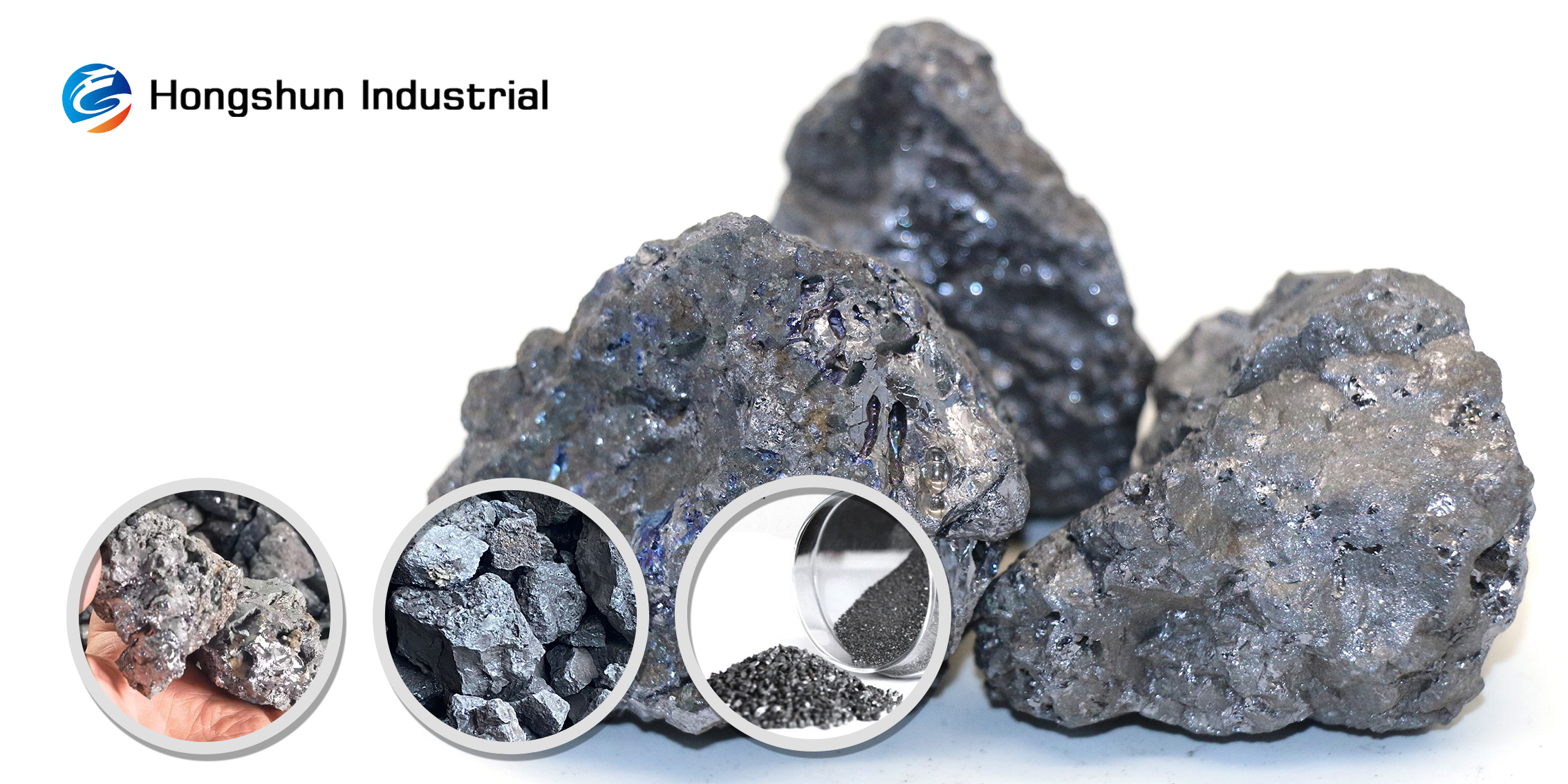
How Calcium Silicon Strengthens Modern Steelmaking Efficiency and Quality
Calcium Silicon (CaSi) has become a strategic alloy addition for steel plants aiming to enhance product quality, optimize refining efficiency, and control total operational costs. As global steel grades move toward stricter quality requirements—especially for automotive, structural, bearing, and high-purity applications—CaSi is no longer optional but essential.What Makes Calcium Silicon a High-Value Alloy?Calcium Silicon is an alloy typically composed of Ca 28–32% and Si 55–65%, designed to provide both strong deoxidation and highly effective desulfurization. Unlike conventional alloy additions, CaSi affects inclusion shape, fluidity, steel cleanliness, and downstream performance.Key Functions at a Glance:Powerful oxidation and sulfur removal propertiesModification of hard, harmful oxide inclusionsImprovement of steel fluidity during castingReduction of nozzle cloggingIncreased stability in continuous casting operationsWhy Steel Mills Increasingly Rely on Calcium Silicon1. Better Inclusion Control for High-Performance SteelsModern steel applications require inclusions that are: small, rounded, and evenly dispersed.Calcium Silicon modifies Al₂O₃and other solid oxides into liquid, low-melting-point calcium aluminates, which:Improve purityReduce micro-cracksEnhance toughness, weldability, and fatigue resistance2. Improved Casting Performance and Fewer Operational InterruptionsOperational Improvements Enabled by CaSiIndicatorWithout CaSiWith CaSi TreatmentNozzle CloggingFrequentSignificantly ReducedCasting SpeedUnstableMore ConsistentSlab/Billet DefectsHigherLowerInclusion ShapeAngular & HardRounded & Soft3. Enhanced Alloy Efficiency Compared With AlternativesCompared with traditional deoxidizers such as aluminum, silicon, or ferrosilicon, Calcium Silicon provides significantly higher efficiency at lower addition levels. Calcium reacts quickly and selectively, allowing steelmakers to reduce total alloy consumption, minimize the need for re-blowing or chemistry corrections, and achieve better end-point control of steel composition. As a result, plants gain higher metal yield, more predictable product quality, and smoother refining operations.4. Documented Cost Reduction Across the Entire Steelmaking ChainCalcium Silicon delivers cost savings through multiple layers of the steelmaking process, not just at a single step. Direct savings come from lower overall alloy usage, fewer nozzle replacements, and reduced energy waste due to more stable casting conditions. Indirect savings arise from fewer casting interruptions, lower scrap and rework rates, improved furnace turnover time, and higher product consistency that helps reduce customer complaints and rejections. When all these factors are quantified, CaSi often lowers the total cost per ton more effectively than cheaper but less efficient alloy alternatives.5. Enabling Higher Value Steel Grades Without Extra ComplexityA major advantage of Calcium Silicon is its seamless compatibility with existing refining workflows. It can be added through wire injection systems, manual addition, or automated alloy feeding, making it an easy “plug-and-play” solution. This allows steel plants to transition smoothly to high-value steel production, including ultra-low sulfur steel, clean steel applications, and high-purity continuous casting, without adding operational complexity. Hongshun’s Calcium Silicon alloy plays a vital role in modern steelmaking by significantly improving molten steel cleanliness while effectively reducing production costs. With high-quality CaSi products, Hongshun helps steel mills achieve superior deoxidation, desulfurization, and inclusion modification performance, making the refining process more efficient and the steel purer.As global demand for cleaner and higher-performance steel continues to rise, Anyang Hongshun Industrial is becoming an increasingly important partner for advanced steel producers. Steel plants that adopt Hongshun’s alloys effectively will gain remarkable advantages in product competitiveness, quality consistency, and overall steelmaking cost reduction.
2025.12.05
→ More
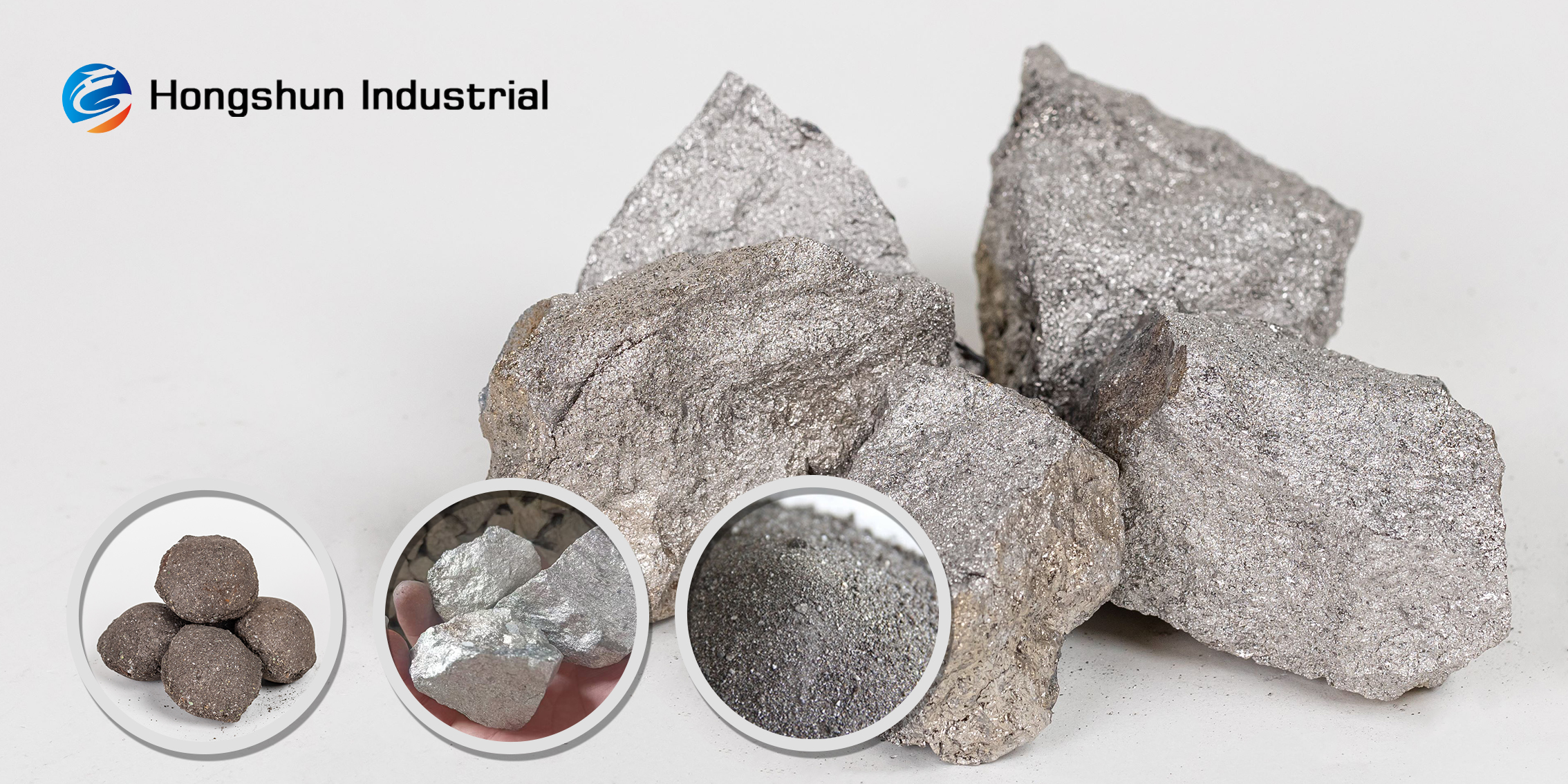
Comparing Standard Ferro Silicon and Low Titanium High Purity FeSi: What Are the Differences?
Ferro Silicon (FeSi) is one of the most essential alloys in modern metallurgy. Whether you are producing ordinary carbon steel or high-performance aerospace alloys, FeSi plays a critical role in deoxidation, alloying, and improving steel properties.However, not all Ferro Silicon is created equal.In recent years, steelmakers around the world have begun shifting from standard Ferro Silicon to Low Titanium High Purity FeSi, especially in industries where steel cleanliness and microstructure control are vital.But what exactly makes these two materials different? And why does titanium content matter so much? Understanding Ferro Silicon and Its Role in SteelmakingBefore comparing the two grades, it's important to understand why Ferro Silicon is used in the first place.Ferro Silicon provides several key metallurgical functions:Strong deoxidizer: Removes oxygen from molten steelAlloying agent: Enhances strength, hardness, and fluiditySlag modifier: Helps improve steel purityFor general steel production, standard FeSi is widely sufficient. But high-performance steel applications require stricter control—particularly of trace elements like titanium (Ti).What Makes Titanium a Critical Element?Titanium is not harmful in all situations, but excessive Ti in Ferro Silicon can create unwanted inclusions during steelmaking. These inclusions:Reduce steel toughnessIncrease brittlenessAffect fatigue resistanceLower the performance of bearing steel, high-carbon steel, and aerospace alloysThis is why modern high-grade steel production increasingly demands Low-Ti High Purity Ferro Silicon.Chemical Composition Differences Between Standard FeSi and Low-Ti High Purity FeSiThe most fundamental distinction between these two materials lies in their chemical composition. Standard Ferro Silicon contains the typical FeSi 72 chemistry, where silicon ranges from 65% to 75%, but impurity levels are comparatively higher. Low Titanium High Purity FeSi maintains a similar silicon range but significantly reduces trace elements such as titanium, aluminum, and calcium. A simple comparison illustrates the magnitude of the difference:ParameterStandard Ferro Silicon (FeSi 72)Low Titanium High Purity FeSiSilicon (Si %)65–7572–75(more stable)Titanium (Ti %)0.05–0.10≤ 0.015Aluminum (Al %)1.0–1.5≤ 0.5Calcium (Ca %)0.3–0.5≤ 0.1Impurity LevelStandard industry levelsUltra-low with refined controlSuitable ApplicationsOrdinary steel productionClean steel, bearing steel, aerospace steelThese compositional improvements directly result in better metallurgical behavior and more consistent steel quality.Application Scenarios1. Standard Ferro SiliconThis grade is widely used in ordinary carbon steel, construction steel, cast iron production, and general-purpose deoxidation applications. It delivers reliable performance at a lower cost.2. Low Titanium High Purity FeSiThis advanced grade is essential for industries demanding ultra-clean steel. It is used in bearing steel, aerospace materials, tool steels, and special-purpose alloy steels where minimal inclusions are critical. Applications Where Low-Titanium High Purity FeSi Creates the Greatest AdvantageLow-Ti High Purity Ferro Silicon is especially important in metallurgical environments where micro-defects cannot be tolerated. Its primary application fields include bearing steel, tool steel, spring steel, aerospace alloys, high-carbon structural steel, and automotive-grade alloy steel. These materials require extreme consistency during refining, minimal inclusions, and reliable mechanical performance after forging, rolling, or heat treatment.Steel producers targeting high-end markets increasingly view Low-Ti FeSi not as a luxury material but as a necessary step to meet international quality standards and certification requirements. As a result, it is gradually becoming the preferred silicon source for steel mills committed to advanced metallurgy.The difference between Standard Ferro Silicon and Low Titanium High Purity FeSi is more than chemical composition—it affects every stage of steelmaking, from refining stability to the mechanical performance of final products. For routine steel production, standard FeSi remains a cost-effective choice. However, for industries where quality cannot be compromised, Low Titanium High Purity FeSi is the superior and increasingly indispensable option.
2025.11.28
→ More
Why Are More Foundries Switching to Calcium Silicon Cored Wire? A Look Into the Industry Trend
In recent years, Calcium Silicon (CaSi) cored wire has gained widespread adoption in steel plants and foundries across the globe. With its precise alloy addition, superior inclusion modification, and stable metallurgical performance, CaSi cored wire is quickly becoming an industry-standard refining material.As a leading manufacturer, Anyang Hongshun Industrial Co., Ltd. has been at the forefront of this transition, supplying high-quality CaSi cored wire that meets the evolving needs of modern steelmaking. The Rising Demand for Smarter Refining SolutionsGrowing Expectations for Clean SteelThe demand for cleaner steel continues to rise in high-end sectors such as automotive, aerospace, and energy. Calcium treatment is essential for modifying inclusions and improving steel flow.CaSi cored wire delivers consistent calcium recovery, enabling steel plants to meet stricter quality requirements with greater reliability.Comparison of Alloy Feeding MethodsCaSi Cored Wire vs Traditional Feeding MethodsItem / IndicatorTraditional Alloy FeedingCaSi Cored Wire FeedingCalcium RecoveryLow, unstableHigh, stableOxidation LossesSignificantMinimal due to steel strip jacketFeeding ControlManual, inaccurateFully controllable, automatedSteel CleanlinessInconsistentConsistently improvedCost EfficiencyHigher alloy consumptionLower total costNozzle CloggingFrequentGreatly reducedKey Advantages Driving the Industry Shift1. Improved Inclusion ModificationCalcium converts solid alumina inclusions into liquid or semi-liquid calcium aluminates more effectively when introduced through CaSi cored wire, resulting in smoother steel flow, fewer clogging issues, improved surface quality, and more stable mechanical properties.2. Higher Calcium Recovery RatesThe steel-strip sheath of CaSi cored wire prevents premature oxidation and enables the calcium to be released at the optimal depth, giving significantly higher recovery rates compared with conventional lump or powder feeding and improving overall alloying efficiency.3. Lower Overall Production CostsAlthough CaSi cored wire may seem more expensive initially, its metallurgical benefits—such as reduced nozzle blockage, shorter tundish downtime, lower defect rates, and decreased alloy consumption—translate into substantial cost savings and improved plant productivity.4. Enhanced Casting PerformanceCaSi treatment contributes to better castability, particularly in continuous casting, providing more stable steel flow, fewer interruptions, higher process reliability, and increased output per heat. Why Foundries Are Switching Now1. Industry-Wide Shift Toward AutomationAutomated wire feeding systems integrate seamlessly with modern refining technologies. As more plants upgrade their equipment, cored wire becomes the natural choice.2. Greater Focus on SustainabilityBetter calcium utilization leads to:Less alloy wasteReduced emissions in the refining processImproved energy efficiencySustainability initiatives are pushing many foundries toward more efficient solutions like CaSi cored wire.3. Rising Competitiveness in Global Steel MarketsTo stay competitive, foundries must deliver consistent, high-performance products. CaSi cored wire helps them meet international quality standards while keeping production cost-effective. With the rapid modernization of steel plants worldwide, CaSi cored wire is poised to become standard practice. Hongshun, with its strong manufacturing capacity, customization options, and export experience, is committed to supporting this global shift.As industries demand higher cleanliness standards and better metallurgical consistency, Anyang Hongshun Industrial Co., Ltd. will continue providing reliable materials and technical support to help customers achieve cleaner steel, greater efficiency, and long-term cost advantages.
2025.11.21
→ More
Understanding High Purity Ferro Silicon: Composition, Production, and Uses
High Purity Ferro Silicon (FeSi) is a specially refined ferroalloy composed mainly of silicon (Si) and iron (Fe), with silicon content typically above 99% and extremely low impurities such as aluminum, calcium, carbon, and phosphorus.It plays a critical role in industries that demand high cleanliness, high performance, and chemical stability — including semiconductors, precision alloys, and high-grade steels.Chemical Composition and PropertiesHigh Purity Ferro Silicon differs from standard grades of ferrosilicon in its purity and microstructure.Typical specifications include:ElementTypical Content (%)Si≥ 99.0Fe≤ 0.5Al≤ 0.2Ca≤ 0.1C≤ 0.05Key Characteristics:High Silicon Purity: Ensures strong reducing power and consistent metallurgical reactions.Low Impurity Levels: Reduces contamination during alloying or semiconductor production.Stable Phase Structure: Guarantees excellent performance during smelting and casting.Production Process of High Purity Ferro Silicon1. Raw Material SelectionOnly high-purity quartz, low-ash carbon materials, and refined iron sources are used.Strict control of raw material quality ensures minimal impurity introduction.2. Smelting and RefiningThe materials are melted in a high-temperature electric furnace.Advanced refining technologies such as slag removal, gas purification, and controlled cooling are applied to ensure a uniform composition and dense structure.3. Crushing and SievingAfter cooling, the high purity ferro silicon is crushed and screened into different sizes:Lumps: 10–100mmGranules: 1–10mmPowders: 100–325 meshHongshun offers customized sizes according to client requirements.Applications of High Purity Ferro Silicon1. Semiconductor and Electronic IndustryHigh Purity Ferro Silicon serves as a key raw material for producing electronic-grade silicon and polycrystalline silicon.Its low impurity levels are essential for maintaining high electrical conductivity and structural integrity in semiconductor components.2. Special and Stainless Steel ProductionAs an efficient deoxidizer and alloy additive, High Purity FeSi helps eliminate oxygen and improve:Strength and hardnessCorrosion and oxidation resistanceSurface quality and uniformity3. Aerospace and Precision CastingHigh purity ensures minimal inclusions and stable performance in aerospace-grade superalloys and high-precision castings.This makes it indispensable for parts requiring dimensional accuracy and purity.4. Chemical and Solar IndustriesUsed as a source of high-purity silicon, it supports the manufacturing of solar cells, silicones, and silicon-based compounds.Advantages of Choosing Hongshun High Purity Ferro Silicon1. Consistent Quality ControlAnyang Hongshun adopts advanced smelting equipment and laboratory-level testing to ensure every batch meets international standards.2. Flexible CustomizationProducts are available in block, granule, and powder forms, suitable for different metallurgical and industrial processes.3. Reliable Supply and Export ServiceWith years of export experience, Hongshun guarantees on-time delivery, safe packaging, and technical support for global customers. High Purity Ferro Silicon is more than just a ferroalloy — it’ s a foundation material for modern metallurgy, electronics, and advanced manufacturing.By providing stable quality and high purity, Anyang Hongshun Industrial Co., Ltd. continues to serve customers worldwide with reliable, high-performance ferroalloy solutions.
2025.11.14
→ More
The Role of Inoculant Cored Wire in Enhancing Casting Quality and Consistency
In the modern foundry industry, achieving stable and high-quality castings requires precise control over metallurgical processes. One of the key innovations driving this progress is the use of inoculant cored wire — a reliable, efficient, and environmentally friendly method for introducing inoculant elements into molten metal. By improving graphite formation and refining microstructure, inoculant cored wire plays a vital role in ensuring consistency and quality across cast iron and steel production. Understanding Inoculant Cored WireInoculant cored wire consists of finely powdered inoculant materials encased in a low-carbon steel sheath. During casting, the wire is continuously fed into molten metal using an automatic wire feeder. As it melts, the active elements are released deep within the liquid metal, ensuring uniform distribution, better recovery rate, and stable inoculation effect. Common inoculant cored wire types include:CaSi (Calcium Silicon) cored wire – Enhances graphite nucleation and minimizes chill.BaSi (Barium Silicon) cored wire – Ideal for low-temperature or thick-section castings.RE (Rare Earth) cored wire – Improves graphite morphology and inclusion removal.These materials are precisely blended to suit different casting requirements, making cored wire a versatile choice for gray iron, ductile iron, and alloy steel applications.How Inoculant Cored Wire Improves Casting Quality1. Refined Microstructure and Graphite DistributionOne of the most significant effects of inoculant cored wire is the improvement of graphite nucleation. Controlled inoculation promotes the formation of fine, evenly distributed graphite flakes or nodules, which directly influence the mechanical properties and surface finish of cast products.For ductile iron, this means better spheroidization, reduced carbide formation, and enhanced tensile strength. In gray iron, fine graphite distribution results in improved machinability and uniform hardness across the casting.2. Increased Process ConsistencyManual inoculation methods often lead to uneven inoculant distribution and inconsistent quality. In contrast, the automated feeding of cored wire ensures precise control over inoculant quantity and timing, leading to consistent metallurgical reactions and stable casting results.The controlled feeding rate also minimizes human error, reduces rework, and helps maintain uniform metallurgical quality from batch to batch.3. Reduced Oxidation and Higher Recovery RateTraditional bulk inoculants tend to react prematurely with air or slag, reducing their efficiency. Cored wire injection delivers the inoculant deep into the molten metal, limiting exposure to oxygen and ensuring higher element recovery. This results in less material waste and more predictable metallurgical outcomes.Operational and Economic Advantages1. Enhanced EfficiencyCored wire feeding allows foundries to reduce inoculant consumption while achieving the same or even better results compared to conventional techniques. The deeper and more effective inoculation means that smaller quantities can be used without compromising quality.2. Cleaner and Safer ProductionBecause inoculant cored wire produces less smoke, dust, and slag, it significantly improves the working environment in foundries. The cleaner reaction reduces the need for slag removal and maintenance downtime, making the process both efficient and sustainable.3. Cost Control and Quality AssuranceConsistent metallurgical results translate directly into lower scrap rates and reduced production costs. Foundries benefit from improved process control, less variation, and more predictable casting behavior — key factors for high-volume production and long-term profitability.Choosing a Reliable Inoculant Cored Wire SupplierWhen selecting a supplier, foundries should consider product quality, composition accuracy, and technical support. A well-manufactured cored wire should have uniform filling density, stable release characteristics, and smooth feeding performance.Anyang Hongshun Industrial Co., Ltd. is a professional manufacturer of inoculant cored wire and other metallurgical materials. With advanced production technology and strict quality control, Hongshun provides customized wire types, compositions, and diameters tailored to customer requirements. Our products are widely used in ductile iron, gray iron, and steelmaking industries to achieve stable inoculation performance and improved casting quality.
2025.11.07
→ More
Comparing High Carbon Silicon with Ferro Silicon and Silicon Carbide
In the modern steelmaking and foundry industry, choosing the right alloy additive is essential to ensure both product quality and production efficiency. Among commonly used materials—High Carbon Silicon (Si-C alloy), Ferro Silicon (FeSi), and Silicon Carbide (SiC)—each plays a vital role in deoxidation, carbon addition, and cost control. Understanding their differences helps steel plants and foundries make smarter and more economical decisions. Overview of Each Material1. High Carbon Silicon (Si-C Alloy)High Carbon Silicon is a new type of alloy material composed mainly of silicon and carbon, usually containing 40–72% Si and 10–24% C. It is produced in an electric furnace using quartz, coke, and scrap iron as raw materials. Because it combines the functions of both deoxidizer and carbon additive, it has become an economical substitute for traditional ferro silicon and silicon carbide.2. Ferro Silicon (FeSi)Ferro Silicon is a classic deoxidizer widely used in steelmaking. It contains 65–75% silicon and a balance of iron. FeSi promotes deoxidation, improves steel purity, and enhances mechanical strength. However, its price is relatively higher compared to high carbon silicon.3. Silicon Carbide (SiC)Silicon Carbide is an inorganic compound of silicon and carbon, with a hardness between corundum and diamond. It is commonly used as a deoxidizer, carburizer, and refractory material. Though effective, it is more expensive and requires controlled addition to avoid excessive carbon or slag formation.Chemical Composition ComparisonMaterial TypeSi (%)C (%)Fe (%)Main FunctionHigh Carbon Silicon40–7210–24BalanceDeoxidation, Carbon AdditionFerro Silicon65–75<0.1BalanceDeoxidation, AlloyingSilicon Carbide50-7030-35—Deoxidation, Carbon SourceFrom the table, it’s clear that High Carbon Silicon combines the advantages of both FeSi and SiC—moderate silicon content and high carbon levels—making it a more flexible and cost-effective choice for modern metallurgy.Application Performance Comparison1. Deoxidation EfficiencyAll three materials serve as strong deoxidizers. Ferro Silicon reacts quickly and completely, while Silicon Carbide provides deep deoxidation but may form hard inclusions if used excessively.High Carbon Silicon offers a balanced deoxidation rate, ensuring low oxygen levels with less slag formation, which improves steel cleanliness.2. Carbon RecoveryFor steel grades requiring precise carbon control, High Carbon Silicon’s 10–24% carbon content provides a stable carbon recovery rate, reducing the need for separate carburizers.In contrast, Ferro Silicon contributes almost no carbon, and Silicon Carbide’s carbon recovery is higher but more difficult to regulate.3. Cost EfficiencyHigh Carbon Silicon provides the most significant cost advantage. Its price is typically 20–40% lower than Ferro Silicon and Silicon Carbide.It can replace part of both materials without compromising product quality, effectively reducing alloy consumption and overall production costs.4. Environmental and Energy BenefitsThe production of High Carbon Silicon consumes less energy than FeSi and SiC smelting.Its lower melting point helps reduce energy loss during steelmaking, making it an energy-saving and eco-friendly alternative.Why Choose High Carbon SiliconHigh carbon silicon combines the dual benefits of deoxidation and carbon adjustment in one material, helping steelmakers achieve stable production with fewer additives. It significantly reduces production costs compared to using both ferro silicon and carbon raiser separately, and its moderate reaction speed minimizes splashing and slag formation. In addition, its customizable chemical composition and particle size make it suitable for different steel grades and foundry applications. Many manufacturers choose high carbon silicon not only for its economic advantage, but also for its consistent quality, high carbon recovery rate, and environmental friendliness during the smelting process. As the steel and foundry industries continue to pursue efficiency and cost optimization, high carbon silicon has proven to be an ideal replacement for traditional ferro silicon and silicon carbide in many processes. Produced by Anyang Hongshun Industrial Co., Ltd., Hongshun’s high carbon silicon features stable composition, uniform particle size, and customizable specifications to meet the diverse needs of global steel and casting manufacturers. With its reliable performance and competitive price, Hongshun high carbon silicon is a smart and sustainable choice for modern metallurgical production.
2025.10.31
→ More
Inoculant Solutions for Gray Iron, Ductile Iron, and Steelmaking
Inoculants play a critical role in refining the microstructure and improving the quality of cast metals. In the fields of gray iron, ductile iron, and steelmaking, inoculants ensure stable solidification, refined graphite morphology, and reduced casting defects.Anyang Hongshun Industrial Co., Ltd. provides customized inoculant solutions designed for diverse metallurgical applications, offering consistent performance and optimized cost-efficiency. Role of Inoculants in MetallurgyInoculants work by introducing active nucleating sites into molten metal, which helps control graphite precipitation and suppress undercooling.Depending on the composition—such as silicon (Si), calcium (Ca), barium (Ba), or rare earth (RE)—the inoculant improves graphite shape, reduces carbide formation, and enhances machinability and strength.Inoculant Solutions for Different Applications1. Inoculant for Gray IronGray iron inoculation aims to promote fine Type A graphite and a pearlitic matrix, improving mechanical strength and surface finish.Common types include Si–Ca, Si–Ba, and Si–Al inoculants, which are added to molten iron immediately before pouring to maintain strong nucleation activity.Key benefits:Refines graphite distributionPrevents undercooling and carbidesEnhances thermal conductivityImproves surface finish of castings2. Inoculant for Ductile IronDuctile iron requires inoculants that can support spheroidal graphite formation and minimize the formation of chunky or exploded graphite.The most effective compositions include Ca–Si, RE–Si, and Ba–Ca–Si systems, which stabilize the nodularization process and reduce shrinkage.Advantages:Maintains graphite nodularity above 85%Reduces shrinkage defectsEnhances toughness and tensile strengthImproves consistency of magnesium recovery when used with nodulizers3. Inoculant for SteelmakingIn steelmaking, inoculants are often used as deoxidizers and inclusion modifiers, enhancing cleanliness and homogeneity.Elements like calcium, aluminum, and rare earth metals modify non-metallic inclusions and prevent clogging in continuous casting processes.Key performance points:Removes oxygen and sulfur from molten steelImproves inclusion shape and dispersionEnhances machinability and weldabilityReduces nozzle blockage in continuous castingComparative Performance DataType of InoculantTypical CompositionShrinkage Reduction (%)Inclusion ControlRecommended ApplicationSi–Ca–BaSi 65–70%, Ca 1–2%, Ba 1–2%15–20%MediumGray iron, ductile ironCa–Si–RESi 55–60%, Ca 2–3%, RE 1–2%20–30%HighDuctile iron, alloy cast ironSi–AlSi 70–75%, Al 1–1.5%10–15%LowGray ironRE–Al–CaRE 2–3%, Al 1%, Ca 2%25–35%Very HighSteelmakingPure Calcium SiliconCa 28–30%, Si 55–60%20%MediumDuctile iron, steelmakingAdvantages of Hongshun Inoculant SolutionsHongshun Industrial Co., Ltd. ensures every batch of inoculant meets strict metallurgical and quality control standards. Our advanced production technology guarantees uniform particle size, high purity, and fast dissolution.Key features:Stable composition and strong nucleation activityWide particle size range (0-2mm, 1-3mm, 3-8mm, 5-15mm)High graphite promotion efficiencyAvailable in bulk or customized packagingIdeal for cupola, induction, and electric furnace operationsEffective inoculation is the foundation of high-quality cast iron and steel production.By choosing the right inoculant type and ensuring consistent control during melting, foundries can achieve superior mechanical properties, reduced defects, and improved casting yield.With Hongshun' s comprehensive range of inoculant products, customers can rely on consistent metallurgical performance and long-term process stability.
2025.10.24
→ More
Why Carbon Raiser is Essential for High Quality Steel Production
Carbon is the soul of steel. From its hardness to its ductility, carbon determines the fundamental characteristics of every steel grade. In modern steelmaking and foundry production, carbon raiser has become an indispensable additive — not only for restoring carbon content but also for improving metallurgical performance and cost efficiency. Understanding the Role of Carbon in SteelmakingCarbon is the key element that defines the structure and properties of steel. During the melting process, especially in electric arc furnaces or induction furnaces, a portion of carbon is lost due to oxidation. This reduction in carbon content can negatively affect the steel’s strength, toughness, and machinability.To maintain the desired carbon level, manufacturers use carbon raiser (also known as recarburizer) to compensate for this loss. By adding carbon raiser at the right time and in the right proportion, steelmakers can accurately control the carbon percentage in molten steel or iron, ensuring a stable and high-quality final product.Types of Carbon Raisers1. Graphite Carbon RaiserGraphite carbon raiser is the most popular type due to its high fixed carbon content, low sulfur, and excellent absorption efficiency. It melts easily into the molten metal and provides fast and complete carbon recovery.2. Petroleum Coke Carbon RaiserMade from calcined petroleum coke, this type offers a cost-effective option with good performance. It is suitable for both foundries and steel plants seeking reliable carbon sources.3. Cylindrical and Graphite Particle Carbon RaiserThese products have uniform shapes and dense structures, which allow them to dissolve evenly in molten metal. As a result, they provide higher carbon absorption rates and more stable metallurgical results.Benefits of Using High-Quality Carbon Raiser1. Improves Carbon Recovery EfficiencyHigh-quality carbon raiser ensures better carbon dissolution and minimizes carbon loss, leading to higher furnace efficiency.2. Enhances Mechanical Properties of SteelWith precise carbon control, steel exhibits improved strength, hardness, and wear resistance — all critical factors in industrial and construction applications.3. Reduces Production CostsBetter absorption means less material is wasted. This reduces overall consumption, decreases slag formation, and optimizes energy use during melting.4. Ensures Stable and Consistent QualityStable carbon input results in predictable metallurgical reactions, helping manufacturers maintain consistent product quality and reduce rejection rates.Hongshun — Reliable Supplier of Premium Carbon RaisersAs a professional carbon raiser manufacturer, Hongshun provides a comprehensive range of products including:·Cylindrical graphite carbon raiser·Graphite particle carbon raiser·Graphite powder carbon raiser·Petroleum coke carbon raiserOur carbon raisers feature high fixed carbon, low sulfur, low ash, and customizable granularity to fit different production requirements. With factory direct sales and strict quality inspection systems, Hongshun ensures competitive pricing and consistent performance for every customer. In the demanding world of steel production, carbon raiser is far more than an additive — it is a critical factor that determines quality, efficiency, and competitiveness. Whether for refining carbon content, improving furnace efficiency, or producing cleaner and stronger steel, a high-quality carbon raiser is essential.Choose Hongshun — choose stability, precision, and excellence in every batch of steel you produce.
2025.10.17
→ More
Why Choose Electrolytic Manganese Metal Flakes Over Other Manganese Products?
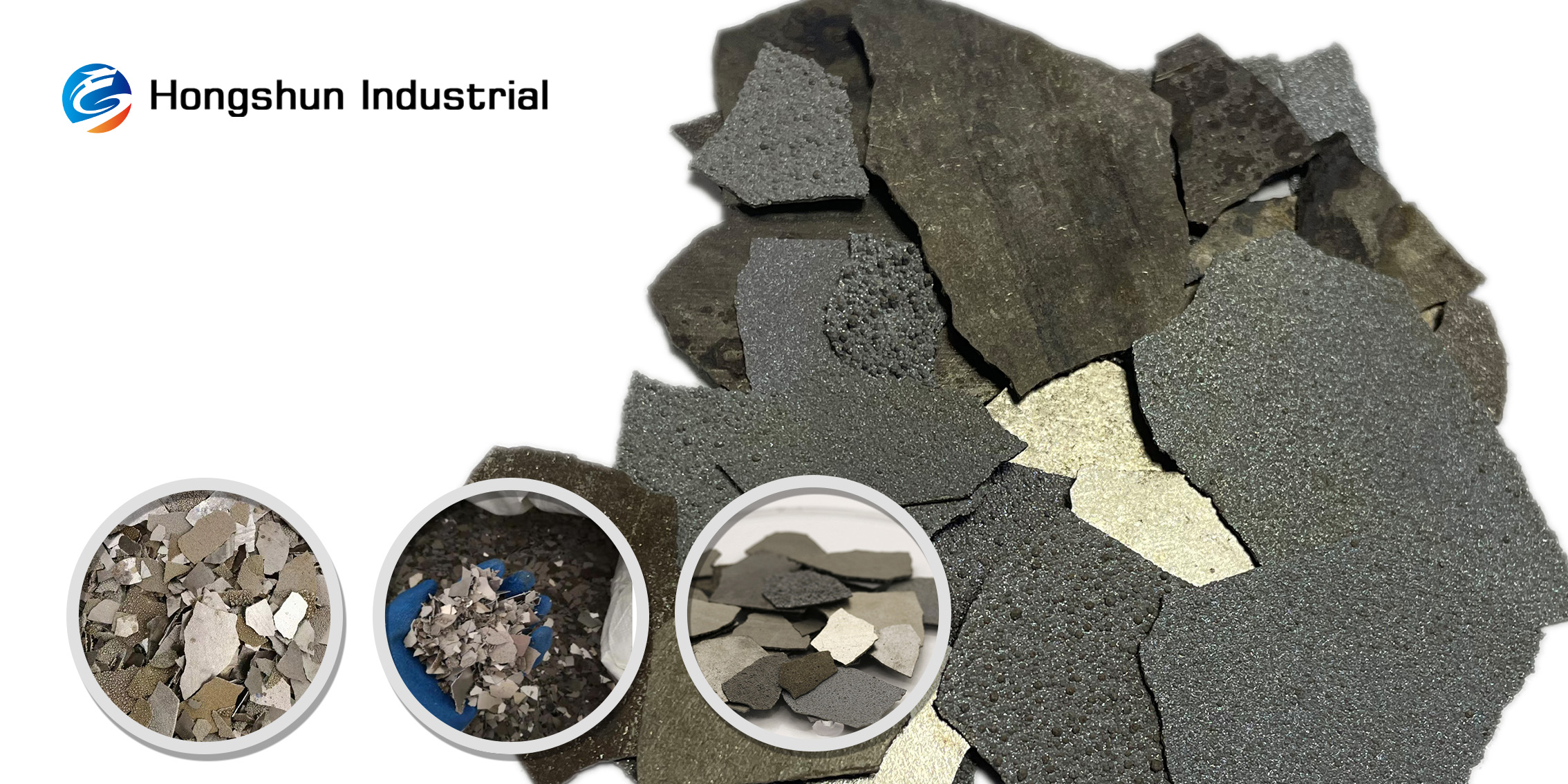
In today’s fast-evolving industrial landscape, choosing the right manganese product is more than a matter of cost—it directly affects product quality, efficiency, and sustainability. Among the many options available, Electrolytic Manganese Metal (EMM) flakes stand out for their exceptional purity and predictable performance. Compared to traditional ferromanganese, silicomanganese, or manganese dioxide, EMM flakes offer unique advantages that make them the preferred choice for high-performance applications.High Purity Ensures Superior QualityElectrolytic Refining Makes the DifferenceEMM flakes are produced through advanced electrolytic refining, achieving a purity level of 99.7% or higher. This dramatically reduces impurities such as sulfur, phosphorus, and iron, which are commonly found in other manganese products. For steelmakers and alloy producers, the difference in purity translates directly to superior mechanical properties and fewer defects in the final product.Predictable PerformanceUnlike other manganese products, EMM flakes provide a clean and predictable source of manganese, allowing precise control over chemical compositions. This predictability reduces trial-and-error in production and ensures that every batch of steel or alloy meets the exact specifications. Superior Performance in SteelmakingManganese is essential as a deoxidizer and desulfurizer in molten steel. EMM flakes dissolve quickly and evenly, ensuring uniform distribution of manganese. This results in enhanced hardness, toughness, and corrosion resistance, particularly in stainless steel and high-performance alloys.Choosing other manganese products may seem cheaper initially, but impurities can compromise steel quality and lead to higher long-term costs due to defects or reprocessing. EMM flakes offer both efficiency and reliability, saving time and resources over the production lifecycle.Versatile Applications Beyond SteelEMM flakes are not limited to steelmaking. Their high purity and controlled composition make them ideal for aluminum alloys, specialty alloys, and even battery production:1. Aluminum Alloys: Improve grain structure and mechanical performance.2. Battery Industry: Serve as raw material for manganese dioxide (MnO₂) in alkaline and lithium-ion batteries.3. Specialty Alloys: Used as catalysts or alloy additives in aerospace and automotive applications.This versatility makes EMM flakes a strategic choice for industries looking to combine quality, performance, and sustainability. Reliable Supply and CustomizationLeading suppliers offer customized EMM flake sizes from 10 mm to 50 mm and packaging options tailored to industrial needs. Companies like Hongshun provide technical support, consistent quality control, and global supply, ensuring that customers can rely on EMM flakes for large-scale production without interruption. Electrolytic Manganese Metal flakes offer high purity, predictable performance, versatile applications, and reliable supply. While other manganese products may appear cheaper, EMM flakes provide long-term advantages, including better steel quality, reduced defects, and operational efficiency. For manufacturers seeking high-performance manganese solutions, choosing EMM flakes is not just a choice—it’s a strategic decision for success.
2025.09.25
→ More
How Silicon Slag Reduces Steelmaking Costs Without Sacrificing Quality
In modern steelmaking, efficiency and cost reduction are two of the most critical priorities for manufacturers. While maintaining product quality is essential, the constant rise in raw material prices has forced steel mills to explore alternative resources. Silicon slag, a by-product of silicon metal production, has emerged as a valuable solution that helps reduce steelmaking costs without sacrificing performance or reliability. What Is Silicon Slag?Silicon slag, also known as low grade silicon, is produced during the refining process of silicon metal. It contains 30–65% silicon, along with varying amounts of calcium, aluminum, iron, and carbon. Despite being considered a secondary product compared to pure silicon metal, silicon slag still retains significant metallurgical value.Its relatively high silicon content makes it suitable for use in steelmaking, casting, and alloying, particularly as a cost-effective deoxidizer and inoculant.Cost Advantages of Using Silicon SlagThe primary reason steel mills choose silicon slag is economic efficiency. Pure silicon metal or ferrosilicon can be expensive, especially when global demand is high. Silicon slag offers a more affordable alternative while still providing the necessary metallurgical functions.Here is a comparison that highlights the difference between silicon metal, ferrosilicon, and silicon slag in terms of average market cost and typical silicon content:MaterialAverage Silicon Content (%)Typical Market Price (USD/ton)Main Application in SteelmakingSilicon Metal98–992,200–2,600High-grade deoxidizer, alloyingFerrosilicon 7572–751,200–1,500Deoxidizer, alloyingSilicon Slag30–65400–700Deoxidizer, cost-saving additiveBy replacing part of the deoxidizing material with silicon slag, steel mills can save 30–50% in raw material costs while maintaining consistent quality in the final steel.Maintaining Steel QualityA common concern for metallurgists is whether cost-saving alternatives compromise product quality. However, practical applications show that silicon slag can deliver stable results in steelmaking due to several factors:1. Effective DeoxidationSilicon slag reacts with oxygen in molten steel to remove oxides, reducing inclusions and improving steel purity.2. Controlled CompositionSuppliers now provide graded silicon slag (e.g., Si 30%, 40%, 50%, 60%) to meet specific steel mill requirements, ensuring consistency.3. Improved Graphitization in CastingIn the foundry industry, silicon slag promotes graphitization in ductile and gray cast iron, improving machinability and mechanical properties.4. Substitution Without SacrificeBy partially replacing ferrosilicon with silicon slag, steelmakers achieve similar metallurgical effects while lowering input costs.Industrial ApplicationsSteelmaking Deoxidizer: Reduces oxygen levels in molten steel and prevents defects.Casting Inoculant Raw Material: Enhances graphite formation in cast iron.Furnace Additive: Used in electric arc furnaces (EAF) and induction furnaces for alloy adjustment.Slag Conditioning: Improves slag fluidity and efficiency during refining.Sustainability and Resource EfficiencyApart from economic benefits, the use of silicon slag supports sustainable metallurgy. By recycling and reusing by-products from silicon metal production, steel mills reduce waste and minimize environmental impact. This aligns with the global push for green steel production and circular economy practices. Silicon slag is more than just a by-product—it is a strategic resource that allows steel mills to cut raw material costs, improve efficiency, and maintain high-quality output. With its proven deoxidizing ability, flexible grades, and affordability, silicon slag has become an indispensable tool for steelmakers worldwide.As the steel industry faces increasing cost pressures and environmental regulations, adopting solutions like silicon slag will remain an effective way to stay competitive while moving toward more sustainable production practices.
2025.09.18
→ More
12 共20条 2页,到第 确定
TEL
+8618837209569
QR

WhatsApp

MSG