
Provide reliable and customized solutions to meet the specific needs of industries worldwide
Ferroalloy manufacturer
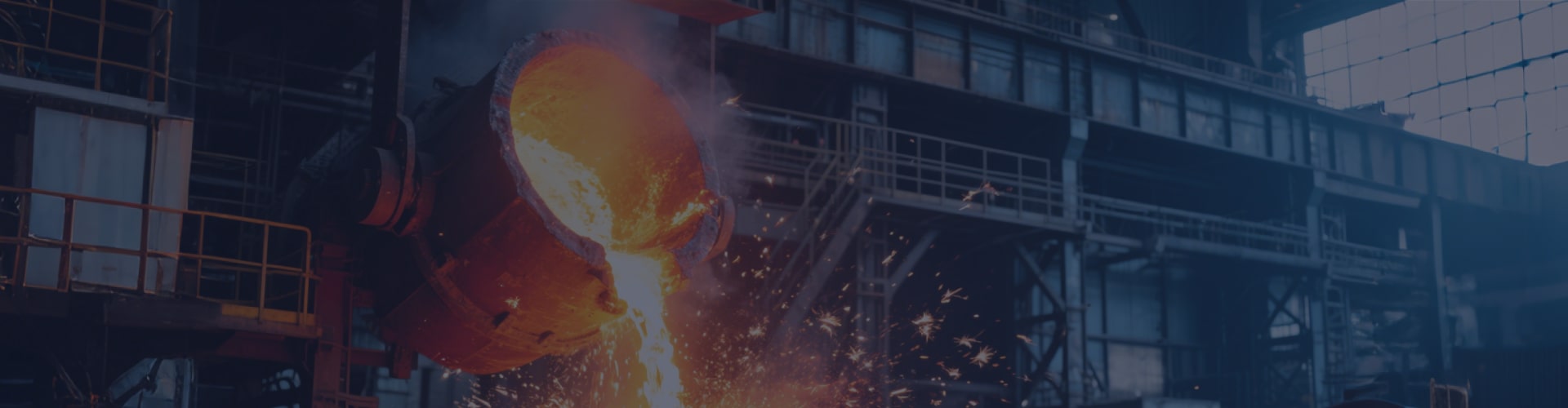
In the steelmaking industry, silicon-based ferroalloys play an essential role in deoxidation, silicon adjustment, and improving the overall quality of molten steel. Ferrosilicon (FeSi) has traditionally been one of the most widely used materials for these purposes. However, as steel manufacturers continue to focus on production efficiency and cost optimization, High Carbon Silicon (HC Silicon) has attracted increasing attention as an alternative silicon source.
But can High Carbon Silicon really replace Ferrosilicon in steelmaking?
The answer depends on the steel grade, production process, chemical composition requirements, and the specific metallurgical objectives. Although both materials provide silicon, their different carbon contents and chemical characteristics determine where each material performs best.
High Carbon Silicon is a silicon-carbon alloy primarily composed of silicon and carbon, with relatively low iron content compared with conventional ferrosilicon.
It is commonly used in steelmaking and foundry applications as a source of silicon and carbon. Its combined silicon and carbon content makes it particularly useful in processes where both elements need to be introduced into molten metal.
Typical High Carbon Silicon specifications include:
Silicon (Si): 40%–72%
Carbon (C): 10%–24%
Common grades: Si50–55%, C15–20%
Other impurities: Al, P, S and other elements, controlled according to customer requirements.
The exact composition varies depending on the manufacturing process and application requirements.
Ferrosilicon is an established deoxidizing and alloying material in steel production. Its main functions include:
1. Deoxidation of Molten Steel
Oxygen dissolved in molten steel can negatively affect steel quality, contributing to defects and undesirable inclusions. Silicon reacts with oxygen to form silicon dioxide (SiO₂), helping remove dissolved oxygen from the molten steel.
2. Silicon Content Adjustment
Ferrosilicon is widely used to adjust the silicon content of steel. Silicon contributes to the mechanical and physical properties of certain steel grades, depending on the final chemical composition.
3. Foundry Applications
In cast iron production, ferrosilicon is commonly used for silicon adjustment and inoculation. It helps promote graphite formation and improve the microstructure of cast iron when applied under appropriate conditions.
These functions make ferrosilicon an important raw material in both steelmaking and foundry industries.
Although both materials supply silicon, their chemical compositions and metallurgical functions are different.
1. Chemical Composition
The most significant difference is their carbon content.
Ferrosilicon typically contains 72% or 75% silicon, with relatively low carbon content. High Carbon Silicon, on the other hand, contains a higher proportion of carbon, making it suitable for applications requiring both silicon and carbon additions.
2. Silicon and Carbon Recovery
The actual recovery rates of silicon and carbon depend on furnace conditions, addition methods, particle size, temperature, and slag composition.
Steelmakers should evaluate both silicon and carbon recovery when determining the required addition quantity. A material with a lower silicon percentage does not necessarily deliver the same metallurgical results at the same dosage.
3. Cost Considerations
High Carbon Silicon can offer economic advantages in certain production processes, particularly when both silicon and carbon are required.
By supplying two elements simultaneously, it may reduce the need for separate alloy additions and help optimize raw material costs.
However, the actual cost-effectiveness should be evaluated based on unit consumption, element recovery, impurity levels, and the final chemical composition of the steel rather than purchase price alone.
In certain applications, High Carbon Silicon can partially or conditionally replace Ferrosilicon. However, it is not a universal substitute.
Applications Where High Carbon Silicon Can Be Used
High Carbon Silicon may be considered in the following situations:
Silicon and carbon adjustment: When both elements are required in the steelmaking process.
Cost optimization: When its combined silicon and carbon supply provides an economic advantage over purchasing separate materials.
Certain foundry applications: When the required silicon and carbon composition is compatible with the alloy addition strategy.
Specific steel grades: When the final carbon content allows additional carbon to be introduced without exceeding the required specification.
For these applications, steelmakers should conduct production trials and evaluate actual element recovery before adopting High Carbon Silicon on a larger scale.
Applications Where Ferrosilicon Remains the Better Choice
Despite its advantages, High Carbon Silicon cannot fully replace Ferrosilicon in every steelmaking process.
For low-carbon steel, stainless steel, and other grades with strict carbon limits, introducing additional carbon may create difficulties in maintaining the required chemical composition.
Ferrosilicon is generally more suitable when:
High silicon content is required.
Carbon content must be strictly controlled.
Silicon addition is the primary objective.
The production process requires a well-established low-carbon deoxidizing material.
Therefore, choosing between the two materials requires a clear understanding of the target steel grade and production conditions.
High Carbon Silicon provides steelmakers with another option for optimizing alloy consumption and production costs.
Its main advantage lies in supplying silicon and carbon simultaneously. For suitable steel grades, this combination can simplify alloy additions and improve material utilization.
However, Ferrosilicon remains indispensable in applications requiring high silicon input and strict carbon control.
Rather than viewing High Carbon Silicon as a complete replacement for Ferrosilicon, steel manufacturers should consider both materials as complementary options. The best choice depends on the final steel composition, metallurgical requirements, recovery rates, and overall production economics.
Hongshun is a professional ferroalloy manufacturer and supplier in China, with 30 years of experience in ferroalloy production and international trade.
We manufacture and supply High Carbon Silicon for steelmaking and foundry applications, offering different silicon and carbon compositions to meet customers' production requirements.
Our available specifications include:
Si40%–72%
C10%–24%
Popular grades: Si50–55%, C15–20%
Customized chemical compositions according to customer requirements.
With professional production facilities, an experienced technical and laboratory team, and strict quality control procedures, Hongshun focuses on maintaining consistent product quality and reliable supply.
We also support third-party inspection and testing, pre-shipment quality documentation, and flexible packaging solutions.
Whether you are looking for High Carbon Silicon to optimize silicon and carbon additions or exploring alternatives to conventional Ferrosilicon, our team can help evaluate suitable specifications for your production process.